Sammys 101

Working group

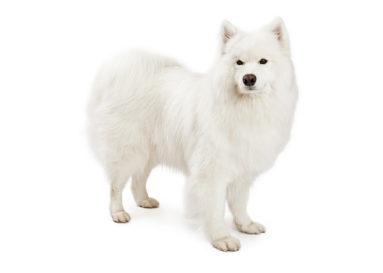
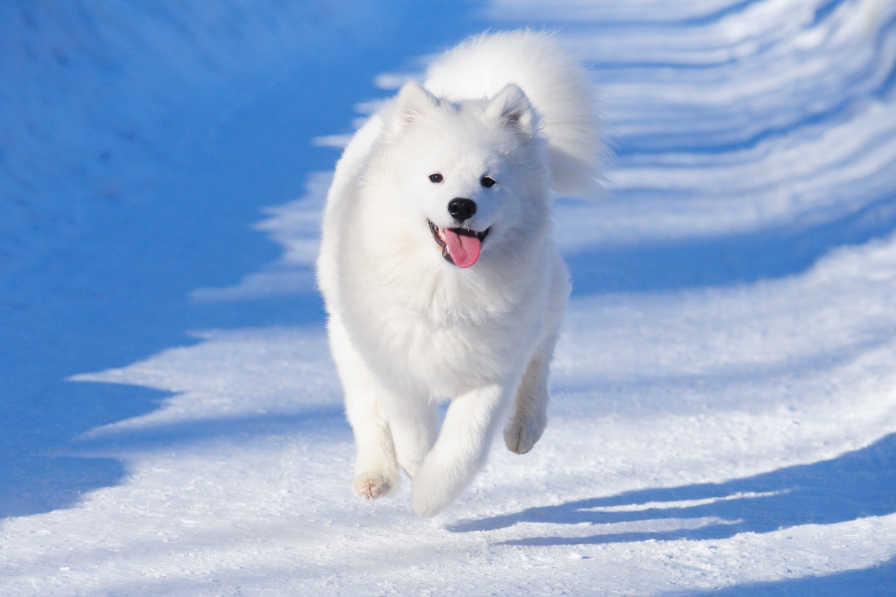
The Samoyed is a recognizable spitz-type breed with pointed ears and a lot of coat, most often seen in pure white. The Sammie's size puts them in the middle of the pack – not as small as a Pomeranian, not as large as an Alaskan Malamute. They're friendly, outgoing and typically mischievous – sure to keep you on your toes!

What we love about Sammys

The Samoyed's smile matches their disposition

Energy level

50% energy level

Energy level: 50% (Moderate)

Bark level

  • Talkative
  • As needed

Bark level: Very vocal. This breed is very vocal and barks frequently

Size

19 to 23.5 inches tall
Medium breed size

Size: 19 to 23.5 inches tall. This is a Medium sized Dog.

Lifespan

12 to 14 years

Lifespan: 12 to 14 years average

Weight

35 to 65 lbs

Weight: 35 to 65 lbs typical range

Energy level
Moderate (50%)
Bark level
Very vocal
Height
19 to 23.5 inches
Lifespan
12 to 14 years
Weight
35 to 65 lbs

The Samoyed stands 19 to 23.5 inches tall and weighs 35 to 65 lbs. Samoyeds have a lifespan of 12 to 14 years. They are known for a moderate (50%) energy level and a very vocal bark.

Frequently Asked Questions

How big do Samoyeds get?
Samoyeds stand 19 to 23.5 inches tall and typically weigh between 35 and 65 pounds.
How long do Samoyeds live?
The average lifespan of a Samoyed is 12 to 14 years.
Are Samoyeds good for first-time dog owners?
Samoyeds have moderate energy levels and can be suitable for first-time owners who are committed to regular exercise and training.
Do Samoyeds bark a lot?
Samoyeds are very vocal — they bark frequently and use their voice to communicate.

We want to see pictures of your Sammy!

Tag @NationwidePet on social media!

My pet’s health plannerSM

This Samoyed health planner outlines the most common medical conditions at each life stage — from puppy through senior — along with their relative risk levels. Understanding these risks can help owners plan preventive care and choose the right pet insurance coverage.

Mature adult Sammy

6 years to 9 years

Risk level for common Sammy conditions

Mid-life Samoyeds should be monitored for both joint and cardiovascular health. Hypothyroid disease is at high risk.

70% on risk scale
Hypothyroid disease
High Risk
60% on risk scale
Cruciate ligament tear (knee)
Moderate Risk
40% on risk scale
Urinary tract infection
Above Average Risk

Senior Sammy

10+ years

Risk level for common Sammy conditions

Senior Samoyeds face increased risk for serious age-related conditions. Arthritis and Liver disease pose very high risk. Kidney failure is at high risk.

80% on risk scale
Arthritis
Very High Risk
70% on risk scale
Kidney failure
High Risk
80% on risk scale
Liver disease
Very High Risk

Sammy puppy

0 to 9 months

Risk level for common Sammy conditions

Samoyed puppies are most vulnerable during this early stage. Conjunctivitis and Gastroenteritis and Urinary tract infection pose very high risk.

80% on risk scale
Conjunctivitis
Very High Risk
80% on risk scale
Gastroenteritis
Very High Risk
80% on risk scale
Urinary tract infection
Very High Risk

Young adult Sammy

10 months to 5 years

Risk level for common Sammy conditions

As Samoyeds grow into young adults, orthopedic and injury risks become more relevant. Conjunctivitis and Foreign body ingestion are at moderate risk.

60% on risk scale
Conjunctivitis
Moderate Risk
60% on risk scale
Foreign body ingestion
Moderate Risk
40% on risk scale
Pneumonia
Above Average Risk

Mature adult Sammy

6 years to 9 years

Risk level for common Sammy conditions

Mid-life Samoyeds should be monitored for both joint and cardiovascular health. Hypothyroid disease is at high risk.

70% on risk scale
Hypothyroid disease
High Risk
60% on risk scale
Cruciate ligament tear (knee)
Moderate Risk
40% on risk scale
Urinary tract infection
Above Average Risk

Senior Sammy

10+ years

Risk level for common Sammy conditions

Senior Samoyeds face increased risk for serious age-related conditions. Arthritis and Liver disease pose very high risk. Kidney failure is at high risk.

80% on risk scale
Arthritis
Very High Risk
70% on risk scale
Kidney failure
High Risk
80% on risk scale
Liver disease
Very High Risk

Sammy puppy

0 to 9 months

Risk level for common Sammy conditions

Samoyed puppies are most vulnerable during this early stage. Conjunctivitis and Gastroenteritis and Urinary tract infection pose very high risk.

80% on risk scale
Conjunctivitis
Very High Risk
80% on risk scale
Gastroenteritis
Very High Risk
80% on risk scale
Urinary tract infection
Very High Risk

Young adult Sammy

10 months to 5 years

Risk level for common Sammy conditions

As Samoyeds grow into young adults, orthopedic and injury risks become more relevant. Conjunctivitis and Foreign body ingestion are at moderate risk.

60% on risk scale
Conjunctivitis
Moderate Risk
60% on risk scale
Foreign body ingestion
Moderate Risk
40% on risk scale
Pneumonia
Above Average Risk
Samoyed standing — health planner for puppies through senior dogs

Nationwide can help you save on your Samoyed's health care no matter what lifestage they’re in.
Puppy (0 to 9 months)
Conjunctivitis: Very High Risk, Gastroenteritis: Very High Risk, Urinary tract infection: Very High Risk
Young Adult (10 months to 5 years)
Conjunctivitis: Moderate Risk, Foreign body ingestion: Moderate Risk, Pneumonia: Above Average Risk
Mature Adult (6 years to 9 years)
Hypothyroid disease: High Risk, Cruciate ligament tear (knee): Moderate Risk, Urinary tract infection: Above Average Risk
Senior (10+ years)
Arthritis: Very High Risk, Kidney failure: High Risk, Liver disease: Very High Risk
Samoyed image

Fur brushed out from the Samoyed's gloriously thick white coat is in demand from hobbyists, who use it to craft dog-fur hats, scarves and sweaters.

Samoyed coat care and colors

As befitting a breed originating from Siberia, the Samoyed has a lot of coat, consisting of both a downy undercoat and a weather-resistant overcoat. To minimize shedding, comb and bush down to the skin to get as much loose fur as you can.

Sammy exercise & training

Exercise level

Exercise level

With a high energy level and plenty of smarts, you can bet the Samoyed will find things to do if you don't keep them occupied – and you may not like what they find. Long walks, hikes or runs are ideal year-round, but this breed especially loves winter activities.

Trainability

Trainability

The Samoyed is an intelligent breed full of energy and ideas. Consistent training with positive reinforcement will help your Sammie see things your way.

Sammy fun facts

Top girl names for Sammys

100%

of Sammys are female

0%

of Sammys are male

Top boy names for Sammys

Nationwide loves Samoyeds of every name, from Aaron to Zog the Destroyer

Samoyed gender distribution
GenderPercentage
Male0%
Female100%

Among Samoyeds insured by Nationwide, 0% are male and 100% are female.

Samoyed statistics: Gender ratio is 0% male and 100% female.

Other breeds like Sammys

Best. Samoyed insurance. Ever.SM

  • Pet insurance premiums starting at $25/mo.
  • Visit any licensed veterinarian, anywhere
  • Cancel at any time, risk-free