Pugs 101

Toy group

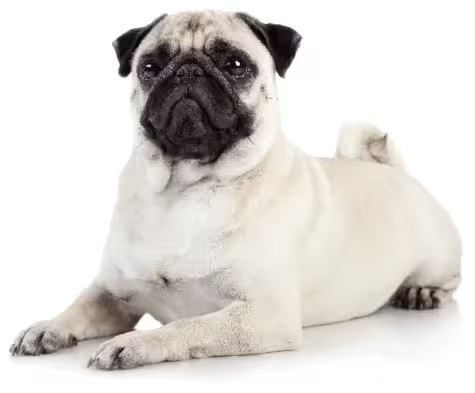
The Pug is a sturdy small dog who is, as the breed’s motto says, “Multum in Parvo” – a lot in a little.

These stout little dogs are devoted to their families, playful and loving. They are often social with strangers, and usually fine with other pets. They are intelligent although stubborn at times. Pugs are infamous among groomers and veterinary technicians for disliking nail trims, so it’s essential to start these early and slowly, with treats and praise.

What we love about Pugs

The breed with an actual motto -- in Latin, no less!

The short coat of the Pug is easy to care for, but their skin folds need regular cleaning to keep from developing infections. As with other short-nosed breeds, Pugs overheat easily and need families who'll work to keep them safe.

Energy level

25% energy level

Energy level: 25% (Low)

Bark level

  • Very vocal
  • Talkative

Bark level: As needed. This breed only barks when necessary

Size

10 to 13 inches tall
Small breed size

Size: 10 to 13 inches tall. This is a Small sized Dog.

Lifespan

13 to 15 years

Lifespan: 13 to 15 years average

Weight

14 to 18 lbs

Weight: 14 to 18 lbs typical range

Energy level
Low (25%)
Bark level
As needed
Height
10 to 13 inches
Lifespan
13 to 15 years
Weight
14 to 18 lbs

The Pug stands 10 to 13 inches tall and weighs 14 to 18 lbs. Pugs have a lifespan of 13 to 15 years. They are known for a low (25%) energy level and a as needed bark.

Frequently Asked Questions

How big do Pugs get?
Pugs stand 10 to 13 inches tall and typically weigh between 14 and 18 pounds.
How long do Pugs live?
The average lifespan of a Pug is 13 to 15 years.
Are Pugs good for first-time dog owners?
Pugs have lower energy levels and can be a good choice for first-time dog owners looking for a calmer companion.
Do Pugs bark a lot?
Pugs typically only bark when necessary — they are not known to be excessive barkers.

We want to see pictures of your Pug!

Tag @NationwidePet on social media!

My pet’s health plannerSM

This Pug health planner outlines the most common medical conditions at each life stage — from puppy through senior — along with their relative risk levels. Understanding these risks can help owners plan preventive care and choose the right pet insurance coverage.

Mature adult Pug

5 years to 7 years

Risk level for common Pug conditions

Mid-life Pugs should be monitored for both joint and cardiovascular health. Brachycephalic obstructive airway syndrome (BOAS) poses very high risk.

80% on risk scale
Brachycephalic obstructive airway syndrome (BOAS)
Very High Risk
60% on risk scale
Urinary bladder stones
Moderate Risk
40% on risk scale
Corneal (eye) ulcer
Above Average Risk

Senior Pug

8+ years

Risk level for common Pug conditions

Senior Pugs face increased risk for serious age-related conditions. Brachycephalic obstructive airway syndrome (BOAS) and Collapsed trachea and Diabetes mellitus pose very high risk.

80% on risk scale
Brachycephalic obstructive airway syndrome (BOAS)
Very High Risk
80% on risk scale
Collapsed trachea
Very High Risk
80% on risk scale
Diabetes mellitus
Very High Risk

Pug puppy

0 to 6 months

Risk level for common Pug conditions

Pug puppies are most vulnerable during this early stage. Brachycephalic obstructive airway syndrome (BOAS) poses very high risk. Corneal (eye) ulcer is at high risk.

80% on risk scale
Brachycephalic obstructive airway syndrome (BOAS)
Very High Risk
70% on risk scale
Corneal (eye) ulcer
High Risk
40% on risk scale
Ear infection
Above Average Risk

Young adult Pug

7 months to 4 years

Risk level for common Pug conditions

As Pugs grow into young adults, orthopedic and injury risks become more relevant. Brachycephalic obstructive airway syndrome (BOAS) poses very high risk.

80% on risk scale
Brachycephalic obstructive airway syndrome (BOAS)
Very High Risk
60% on risk scale
Corneal (eye) ulcer
Moderate Risk
40% on risk scale
Ocular (eye) trauma
Above Average Risk

Mature adult Pug

5 years to 7 years

Risk level for common Pug conditions

Mid-life Pugs should be monitored for both joint and cardiovascular health. Brachycephalic obstructive airway syndrome (BOAS) poses very high risk.

80% on risk scale
Brachycephalic obstructive airway syndrome (BOAS)
Very High Risk
60% on risk scale
Urinary bladder stones
Moderate Risk
40% on risk scale
Corneal (eye) ulcer
Above Average Risk

Senior Pug

8+ years

Risk level for common Pug conditions

Senior Pugs face increased risk for serious age-related conditions. Brachycephalic obstructive airway syndrome (BOAS) and Collapsed trachea and Diabetes mellitus pose very high risk.

80% on risk scale
Brachycephalic obstructive airway syndrome (BOAS)
Very High Risk
80% on risk scale
Collapsed trachea
Very High Risk
80% on risk scale
Diabetes mellitus
Very High Risk

Pug puppy

0 to 6 months

Risk level for common Pug conditions

Pug puppies are most vulnerable during this early stage. Brachycephalic obstructive airway syndrome (BOAS) poses very high risk. Corneal (eye) ulcer is at high risk.

80% on risk scale
Brachycephalic obstructive airway syndrome (BOAS)
Very High Risk
70% on risk scale
Corneal (eye) ulcer
High Risk
40% on risk scale
Ear infection
Above Average Risk

Young adult Pug

7 months to 4 years

Risk level for common Pug conditions

As Pugs grow into young adults, orthopedic and injury risks become more relevant. Brachycephalic obstructive airway syndrome (BOAS) poses very high risk.

80% on risk scale
Brachycephalic obstructive airway syndrome (BOAS)
Very High Risk
60% on risk scale
Corneal (eye) ulcer
Moderate Risk
40% on risk scale
Ocular (eye) trauma
Above Average Risk
Pug standing — health planner for puppies through senior dogs

Nationwide can help you save on your Pug's health care no matter what lifestage they’re in.

Puppy (0 to 6 months)
Brachycephalic obstructive airway syndrome (BOAS): Very High Risk, Corneal (eye) ulcer: High Risk, Ear infection: Above Average Risk
Young Adult (7 months to 4 years)
Brachycephalic obstructive airway syndrome (BOAS): Very High Risk, Corneal (eye) ulcer: Moderate Risk, Ocular (eye) trauma: Above Average Risk
Mature Adult (5 years to 7 years)
Brachycephalic obstructive airway syndrome (BOAS): Very High Risk, Urinary bladder stones: Moderate Risk, Corneal (eye) ulcer: Above Average Risk
Senior (8+ years)
Brachycephalic obstructive airway syndrome (BOAS): Very High Risk, Collapsed trachea: Very High Risk, Diabetes mellitus: Very High Risk
3 - pug GettyImages-177358674

Pugs are known for their distinctive wrinkled face and curly tail, but did you know they were once revered in ancient China as loyal companions to royalty? They even had their own dedicated living spaces in the royal palaces.

Pug coat care and colors

The Pug is most commonly seen in a fawn color, but these dogs also come in black. Coat care is relatively easy: Brushing a couple of times a week will reduce shedding, and professional grooming is optional. The biggest problem with grooming for the Pug is skin folds, which need to checked daily and cleaned frequently to prevent irritation and infection. Eyes need to be checked for matter buildup and cleaned as needed.

Pugs are notoriously difficult when it comes to nail trims, putting up a powerful and often noisy resistance. While some pet parents leave the trimming to groomers or veterinary technicians, Pugs do best when acclimated as puppies to having their feet handled and nails clipped.

Pug exercise & training

Exercise level

Exercise level

A Pug’s exercise needs can be easily met with a daily stroll – in cool weather, please, since these dogs are prone to overheat. Playful and people-oriented, use indoor games to keep them busy.

Trainability

Trainability

Pugs have a tendency to push back when asked to do things they don’t want to. It’s not personal: Heap on the rewards for good behavior and be patient.

Group 7455

Pug fun facts

Top girl names for Pugs

100%

of Pugs are female

0%

of Pugs are male

Top boy names for Pugs

Nationwide loves Pugs of every name, from Aaron to Zog the Destroyer

Pug gender distribution
GenderPercentage
Male0%
Female100%

Among Pugs insured by Nationwide, 0% are male and 100% are female.

Pug statistics: Gender ratio is 0% male and 100% female.

Other breeds like Pugs

Best. Pug insurance. Ever.SM

  • Pet insurance premiums starting at $25/mo.
  • Visit any licensed veterinarian, anywhere
  • Cancel at any time, risk-free