Greyhounds 101

Hound group

For many years, most Greyhounds found homes with families following brief racing careers. But with Greyhound racing now illegal in most of the United States, it's more typical to find them bred to be pets. The breed is loving and prefers exercise in short, intense bursts, followed by long naps on soft beds. Although loving with human family members, some former racers may not be compatible with smaller pets, such as rabbits.

What we love about Greyhounds

Famous worldwide as "the 40 mph couch potato"

Energy level

75% energy level

Energy level: 75% (High)

Bark level

  • Very vocal
  • As needed

Bark level: Talkative. This breed vocalizes regularly but not excessively

Size

27 to 30 inches tall
Large breed size

Size: 27 to 30 inches tall. This is a Large sized Dog.

Lifespan

10 to 13 years

Lifespan: 10 to 13 years average

Weight

60 to 70 lbs

Weight: 60 to 70 lbs typical range

Energy level
High (75%)
Bark level
Talkative
Height
27 to 30 inches
Lifespan
10 to 13 years
Weight
60 to 70 lbs

The Greyhound stands 27 to 30 inches tall and weighs 60 to 70 lbs. Greyhounds have a lifespan of 10 to 13 years. They are known for a high (75%) energy level and a talkative bark.

Frequently Asked Questions

How big do Greyhounds get?
Greyhounds stand 27 to 30 inches tall and typically weigh between 60 and 70 pounds.
How long do Greyhounds live?
The average lifespan of a Greyhound is 10 to 13 years.
Are Greyhounds good for first-time dog owners?
Greyhounds are intelligent but have high energy. They do best with experienced owners who can provide plenty of exercise and mental stimulation.
Do Greyhounds bark a lot?
Greyhounds are considered talkative — they bark more than average but are not excessively vocal.

We want to see pictures of your Greyhound!

Tag @NationwidePet on social media!

My pet’s health plannerSM

This Greyhound health planner outlines the most common medical conditions at each life stage — from puppy through senior — along with their relative risk levels. Understanding these risks can help owners plan preventive care and choose the right pet insurance coverage.

Mature adult Greyhound

5 years to 6 years

Risk level for common Greyhound conditions

Mid-life Greyhounds should be monitored for both joint and cardiovascular health. Trauma and Immune-mediated thrombocytopenia and Dental disease are at moderate risk.

60% on risk scale
Trauma
Moderate Risk
60% on risk scale
Immune-mediated thrombocytopenia
Moderate Risk
60% on risk scale
Dental disease
Moderate Risk

Senior Greyhound

7+ years

Risk level for common Greyhound conditions

Senior Greyhounds face increased risk for serious age-related conditions. Bone cancer and Immune-mediated thrombocytopenia and Lymphatic cancer pose very high risk.

80% on risk scale
Bone cancer
Very High Risk
80% on risk scale
Immune-mediated thrombocytopenia
Very High Risk
80% on risk scale
Lymphatic cancer
Very High Risk

Greyhound puppy

0 to 9 months

Risk level for common Greyhound conditions

Greyhound puppies are most vulnerable during this early stage. Gastroenteritis poses very high risk. Conjunctivitis is at high risk.

5% on risk scale
Foreign body ingestion
Below Average Risk
80% on risk scale
Gastroenteritis
Very High Risk
70% on risk scale
Conjunctivitis
High Risk

Young adult Greyhound

10 months to 4 years

Risk level for common Greyhound conditions

As Greyhounds grow into young adults, orthopedic and injury risks become more relevant. Trauma is at high risk.

70% on risk scale
Trauma
High Risk
60% on risk scale
Gastroenteritis
Moderate Risk
40% on risk scale
Foreign body ingestion
Above Average Risk

Mature adult Greyhound

5 years to 6 years

Risk level for common Greyhound conditions

Mid-life Greyhounds should be monitored for both joint and cardiovascular health. Trauma and Immune-mediated thrombocytopenia and Dental disease are at moderate risk.

60% on risk scale
Trauma
Moderate Risk
60% on risk scale
Immune-mediated thrombocytopenia
Moderate Risk
60% on risk scale
Dental disease
Moderate Risk

Senior Greyhound

7+ years

Risk level for common Greyhound conditions

Senior Greyhounds face increased risk for serious age-related conditions. Bone cancer and Immune-mediated thrombocytopenia and Lymphatic cancer pose very high risk.

80% on risk scale
Bone cancer
Very High Risk
80% on risk scale
Immune-mediated thrombocytopenia
Very High Risk
80% on risk scale
Lymphatic cancer
Very High Risk

Greyhound puppy

0 to 9 months

Risk level for common Greyhound conditions

Greyhound puppies are most vulnerable during this early stage. Gastroenteritis poses very high risk. Conjunctivitis is at high risk.

5% on risk scale
Foreign body ingestion
Below Average Risk
80% on risk scale
Gastroenteritis
Very High Risk
70% on risk scale
Conjunctivitis
High Risk

Young adult Greyhound

10 months to 4 years

Risk level for common Greyhound conditions

As Greyhounds grow into young adults, orthopedic and injury risks become more relevant. Trauma is at high risk.

70% on risk scale
Trauma
High Risk
60% on risk scale
Gastroenteritis
Moderate Risk
40% on risk scale
Foreign body ingestion
Above Average Risk
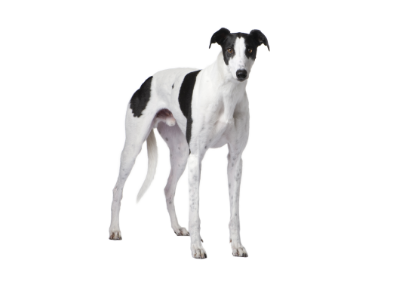
Greyhound standing — health planner for puppies through senior dogs

Nationwide can help you save on your Greyhound's health care no matter what lifestage they’re in.

Puppy (0 to 9 months)
Foreign body ingestion: Below Average Risk, Gastroenteritis: Very High Risk, Conjunctivitis: High Risk
Young Adult (10 months to 4 years)
Trauma: High Risk, Gastroenteritis: Moderate Risk, Foreign body ingestion: Above Average Risk
Mature Adult (5 years to 6 years)
Trauma: Moderate Risk, Immune-mediated thrombocytopenia: Moderate Risk, Dental disease: Moderate Risk
Senior (7+ years)
Bone cancer: Very High Risk, Immune-mediated thrombocytopenia: Very High Risk, Lymphatic cancer: Very High Risk
Greyhound image

Greyhounds have a legitimate claim to being one of the oldest breeds and are thought to have first been developed as swift hunters more than 5,000 years ago.

Greyhound coat care and colors

The short, sleek coat of the Greyhound is easy to care for, but these dogs do tend to get cold easily. A sweater or coat is not a luxury but rather a necessity in chilly temperatures, especially for older dogs.

Greyhound exercise & training

Exercise level

Exercise level

Greyhounds are pretty laid-back most of the time. Regular walks keep them happy, and if you have a large, fenced area, they'd love the chance to stretch those long legs and fly. Amateur coursing meets – chasing plastic bags, not rabbits – are held all over the United States and can provide great fun for these fast dogs.

Trainability

Trainability

When Greyhounds see something worth chasing, they're very difficult to call back. They were developed to work independently, and they still do. Get an early start on socialization and house manners with positive training methods – but keep them on leash in open areas.

Greyhound fun facts

Top girl names for Greyhounds

100%

of Greyhounds are female

0%

of Greyhounds are male

Top boy names for Greyhounds

Nationwide loves Greyhounds of every name, from Aaron to Zog the Destroyer

Greyhound gender distribution
GenderPercentage
Male0%
Female100%

Among Greyhounds insured by Nationwide, 0% are male and 100% are female.

Greyhound statistics: Gender ratio is 0% male and 100% female.

Other breeds like Greyhounds

Best. Greyhound insurance. Ever.SM

  • Pet insurance premiums starting at $25/mo.
  • Visit any licensed veterinarian, anywhere
  • Cancel at any time, risk-free