

Chesapeake Bay Retriever
Loves water almost as much as family


Chessies 101
Sporting groupThe Chesapeake Bay Retriever is a powerful dog who forms a strong bond with their people. They're quick to learn and eager to please but can have their own ideas on how to accomplish tasks. Less lovey-dovey than the average Golden and more protective than the Labrador, the Chessie is a popular dog for duck hunters.
 What we love about Chessies

A determined dog who'll happily break ice to swim


- Talkative




My pet’s health plannerSM
Mature adult Chessie
Risk level for common Chessie conditions

Cruciate ligament tear (knee)
Hypothyroid disease
Seizures
Senior Chessie
Risk level for common Chessie conditions
Arthritis
Hypothyroid disease
Kidney failure
Chessie puppy
Risk level for common Chessie conditions
Conjunctivitis
Gastroenteritis
Urinary tract infection
Young adult Chessie
Risk level for common Chessie conditions
Ear infection
Foreign body ingestion
Trauma
Mature adult Chessie
Risk level for common Chessie conditions
Cruciate ligament tear (knee)
Hypothyroid disease
Seizures
Senior Chessie
Risk level for common Chessie conditions
Arthritis
Hypothyroid disease
Kidney failure
Chessie puppy
Risk level for common Chessie conditions
Conjunctivitis
Gastroenteritis
Urinary tract infection
Young adult Chessie
Risk level for common Chessie conditions
Ear infection
Foreign body ingestion
Trauma
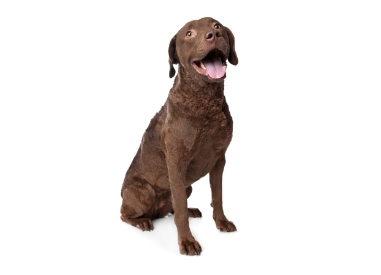
Nationwide can help you save on your Chesapeake Bay Retriever's health care no matter what lifestage they’re in.
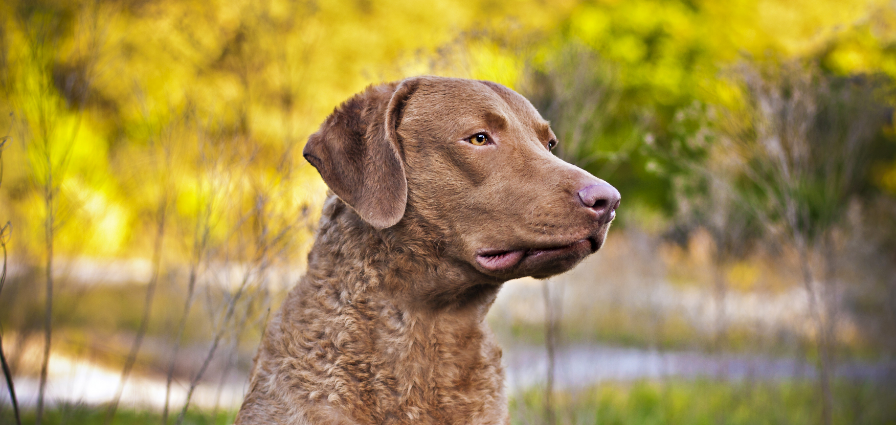
Before being called the Chesapeake Bay Retriever, this dog was known as the Brown Winchester.
Chesapeake Bay Retriever coat care and colors
While retrievers tend to have dense, water-repellent coats, the Chessie's is also a bit oily. The coat is also thick with a softer undercoat. A weekly brushing will reduce shedding. Acclimate to nail trims early to avoid struggles later on.
How often should I groom my Chesapeake Bay Retriever?
How often should I groom my Chesapeake Bay Retriever?
Do Chesapeake Bay Retrievers shed a lot?
Do Chesapeake Bay Retrievers shed a lot?
What type of coat does my Chesapeake Bay Retriever have?
What type of coat does my Chesapeake Bay Retriever have?
Chessie exercise & training
Chessie fun facts
Top girl names for Chessies
of Chessies are female
of Chessies are male
Top boy names for Chessies
Nationwide loves Chesapeake Bay Retrievers of every name, from Aaron to Zog the Destroyer
Other breeds like Chessies
Best. Chesapeake Bay Retriever insurance. Ever.SM
- Pet insurance premiums starting at $25/mo.
- Visit any licensed veterinarian, anywhere
- Cancel at any time, risk-free