Mallys 101

Working group

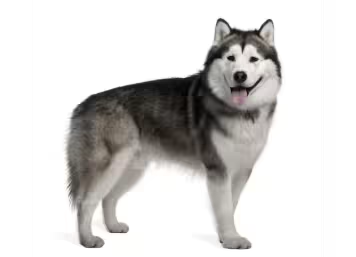
The Alaskan Malamute is the freight train of the Tundra, a dog developed to pull heavy loads through brutal conditions. They are strong in both mind and body, and do best with families who not only have a high tolerance for shedding but also a willingness to set limits and be consistent. In such environments, Malamutes will relax into pets who think the world of their people.

What we love about Mallys

Perfect companion for winter activities

Energy level

75% energy level

Energy level: 75% (High)

Bark level

  • Very vocal
  • As needed

Bark level: Talkative. This breed vocalizes regularly but not excessively

Size

23 to 25 inches tall
Large breed size

Size: 23 to 25 inches tall. This is a Large sized Dog.

Lifespan

10 to 14 years

Lifespan: 10 to 14 years average

Weight

75 to 85 lbs

Weight: 75 to 85 lbs typical range

Energy level
High (75%)
Bark level
Talkative
Height
23 to 25 inches
Lifespan
10 to 14 years
Weight
75 to 85 lbs

The Alaskan Malamute stands 23 to 25 inches tall and weighs 75 to 85 lbs. Alaskan Malamutes have a lifespan of 10 to 14 years. They are known for a high (75%) energy level and a talkative bark.

Frequently Asked Questions

How big do Alaskan Malamutes get?
Alaskan Malamutes stand 23 to 25 inches tall and typically weigh between 75 and 85 pounds.
How long do Alaskan Malamutes live?
The average lifespan of a Alaskan Malamute is 10 to 14 years.
Are Alaskan Malamutes good for first-time dog owners?
Alaskan Malamutes are intelligent but have high energy. They do best with experienced owners who can provide plenty of exercise and mental stimulation.
Do Alaskan Malamutes bark a lot?
Alaskan Malamutes are considered talkative — they bark more than average but are not excessively vocal.

We want to see pictures of your Mally!

Tag @NationwidePet on social media!

My pet’s health plannerSM

This Alaskan Malamute health planner outlines the most common medical conditions at each life stage — from puppy through senior — along with their relative risk levels. Understanding these risks can help owners plan preventive care and choose the right pet insurance coverage.

Mature adult Mally

5 years to 7 years

Risk level for common Mally conditions

Mid-life Alaskan Malamutes should be monitored for both joint and cardiovascular health. Hypothyroid disease is at high risk.

70% on risk scale
Hypothyroid disease
High Risk
40% on risk scale
Cruciate ligament tear (knee)
Above Average Risk
40% on risk scale
Arthritis
Above Average Risk

Senior Mally

8+ years

Risk level for common Mally conditions

Senior Alaskan Malamutes face increased risk for serious age-related conditions. Hypothyroid disease and Arthritis pose very high risk.

80% on risk scale
Hypothyroid disease
Very High Risk
80% on risk scale
Arthritis
Very High Risk
60% on risk scale
Skin cancer
Moderate Risk

Mally puppy

0 to 1 year

Risk level for common Mally conditions

Alaskan Malamute puppies are most vulnerable during this early stage. Gastroenteritis poses very high risk.

80% on risk scale
Gastroenteritis
Very High Risk
60% on risk scale
Trauma
Moderate Risk
60% on risk scale
Conjunctivitis
Moderate Risk

Young adult Mally

1 year to 4 years

Risk level for common Mally conditions

As Alaskan Malamutes grow into young adults, orthopedic and injury risks become more relevant. Hip dysplasia is at moderate risk.

60% on risk scale
Hip dysplasia
Moderate Risk
40% on risk scale
Trauma
Above Average Risk
20% on risk scale
Gastroenteritis
Average Risk

Mature adult Mally

5 years to 7 years

Risk level for common Mally conditions

Mid-life Alaskan Malamutes should be monitored for both joint and cardiovascular health. Hypothyroid disease is at high risk.

70% on risk scale
Hypothyroid disease
High Risk
40% on risk scale
Cruciate ligament tear (knee)
Above Average Risk
40% on risk scale
Arthritis
Above Average Risk

Senior Mally

8+ years

Risk level for common Mally conditions

Senior Alaskan Malamutes face increased risk for serious age-related conditions. Hypothyroid disease and Arthritis pose very high risk.

80% on risk scale
Hypothyroid disease
Very High Risk
80% on risk scale
Arthritis
Very High Risk
60% on risk scale
Skin cancer
Moderate Risk

Mally puppy

0 to 1 year

Risk level for common Mally conditions

Alaskan Malamute puppies are most vulnerable during this early stage. Gastroenteritis poses very high risk.

80% on risk scale
Gastroenteritis
Very High Risk
60% on risk scale
Trauma
Moderate Risk
60% on risk scale
Conjunctivitis
Moderate Risk

Young adult Mally

1 year to 4 years

Risk level for common Mally conditions

As Alaskan Malamutes grow into young adults, orthopedic and injury risks become more relevant. Hip dysplasia is at moderate risk.

60% on risk scale
Hip dysplasia
Moderate Risk
40% on risk scale
Trauma
Above Average Risk
20% on risk scale
Gastroenteritis
Average Risk
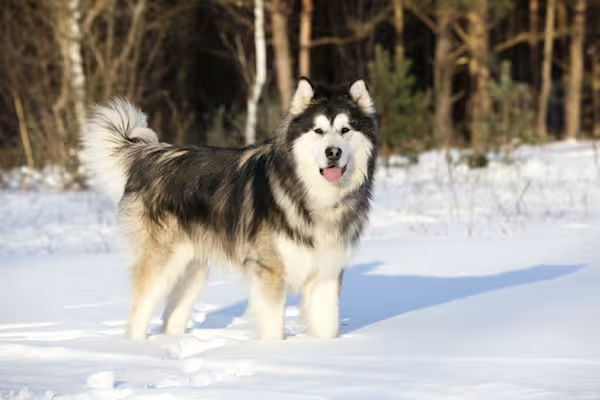
Alaskan Malamute standing — health planner for puppies through senior dogs

Nationwide can help you save on your Alaskan Malamute's health care no matter what lifestage they’re in.
Puppy (0 to 1 year)
Gastroenteritis: Very High Risk, Trauma: Moderate Risk, Conjunctivitis: Moderate Risk
Young Adult (1 year to 4 years)
Hip dysplasia: Moderate Risk, Trauma: Above Average Risk, Gastroenteritis: Average Risk
Mature Adult (5 years to 7 years)
Hypothyroid disease: High Risk, Cruciate ligament tear (knee): Above Average Risk, Arthritis: Above Average Risk
Senior (8+ years)
Hypothyroid disease: Very High Risk, Arthritis: Very High Risk, Skin cancer: Moderate Risk
Alaskan Malamute introduction

The name comes from an Alaskan indigenous tribe, the Mahlemuts.

Alaskan Malamute coat care and colors

Not surprising for a dog developed to thrive in bitterly cold, snowy landscapes, the Alaskan Malamute has a lot of coat. While the breed sheds all the time, the Malamute “blows” its coat in spring and fall, dropping fur in astonishing volume. Regular, deep combing and brushing will help somewhat with shedding, but you'll still be dealing with a lot of fur.

Mally exercise & training

Exercise level

Exercise level

The Alaskan Malamute is a powerful and athletic dog developed for hard work in harsh conditions. You'll need to plan for a good amount of exercise, preferably in the snow.

Trainability

Trainability

The Alaskan Malamute does not lack intelligence, but this breed often prefers to make its own decisions. An early start to training and socialization is advisable, as is developing consistent house rules and sticking to them. Leash-training is essential since this is a breed that can easily pull a grown man off his feet. Acclimate to nail trims early to avoid future struggles.

Mally fun facts

Top girl names for Mallys

100%

of Mallys are female

0%

of Mallys are male

Top boy names for Mallys

Nationwide loves Alaskan Malamutes of every name, from Aaron to Zog the Destroyer

Alaskan Malamute gender distribution
GenderPercentage
Male0%
Female100%

Among Alaskan Malamutes insured by Nationwide, 0% are male and 100% are female.

Alaskan Malamute statistics: Gender ratio is 0% male and 100% female.

Other breeds like Mallys

Best. Alaskan Malamute insurance. Ever.SM

  • Pet insurance premiums starting at $25/mo.
  • Visit any licensed veterinarian, anywhere
  • Cancel at any time, risk-free